

Your shopping cart is empty!
Pumpkin "Da Marmellata"
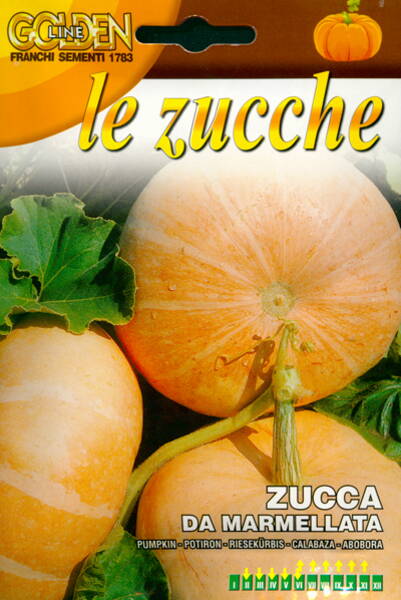

Pumpkin "Da Marmellata".
Perfect for making marmalades and jams.
Mid-early bush variety: 85–90 days from emergence to full ripeness. Main vine up to 1 m.
Fruits are round, smooth, bright orange, with faint white stripes. Weight 1.0–1.5 kg. Flesh is deep orange, crisp and sweet. Versatile use.
Perfect for making marmalades and jams.
Mid-early bush variety: 85–90 days from emergence to full ripeness. Main vine up to 1 m.
Fruits are round, smooth, bright orange, with faint white stripes. Weight 1.0–1.5 kg. Flesh is deep orange, crisp and sweet. Versatile use.
* GROWING FEATURES.
Pumpkin is a heat-loving crop. It needs moisture not only in the soil but also in the air. The plant has a strong root system that goes deep into the ground. Pumpkin does not like waterlogging, so it is best planted on slightly raised areas. It grows well not only in garden soil but also on manure-based beds.
Choose a sunny planting site and well-fertilised soil. Since pumpkin takes up a lot of space, it is best planted along a fence, guiding the vines onto it. Bush types are grown in beds, with vines positioned under trees.
Pumpkin seeds germinate slowly, and the plant develops for a long time (120–140 days). That is why it is best grown from seedlings. Start sowing seedlings 25–35 days before transplanting outdoors.
It is better to sow not in trays but in individual cups, because pumpkin does not tolerate transplanting well. Water seedlings with warm water (+25°C) and feed 1–2 times with mineral fertiliser (1 tbsp per 5 L of water).
In Estonia, seedlings are planted into beds on June 10–12, or under cover on May 20–25. It is best to plant on raised beds (20–25 cm).
If you could not grow seedlings, sow seeds directly outdoors (but not earlier than May 25). Pre-soak them in water or sprout them in moist sawdust until a small root tip appears. Sowing depth: 8–12 cm.
CARE.
Care includes watering, feeding, loosening, mulching and shaping the bush. Water not often, but generously.
During flowering, reduce watering slightly. Water into the planting hole to avoid washing pollen off the flowers. Two weeks after planting, feed with a mullein infusion (1 bucket per plant) with diluted nitrophoska (2 tbsp). Repeat feeding after 15 and 30 days.
If you do not pinch the vines, they may grow 5–7 metres long, nutrients will go into foliage, and many small pumpkins will set but not ripen.
For a good harvest, shape the plant into 1–3 stems, leaving 1–2 fruits on each. When the main stem reaches 1.5–2 m and has 1–2 fruit sets, pinch the tip, leaving 4–5 leaves after the last fruit. Leave 1–2 side vines and remove the rest. The remaining vines can be sprinkled with soil and pinned down—they root easily, and fruits ripen faster with better nutrition.
Harvest in dry weather from September 1 to 15, cutting together with the stalk. Never lift by the stalk—it may break off, and the pumpkin can rot during storage. Optimal storage temperature: +5 to +8°C. Pumpkins also store well at room temperature if kept out of direct sunlight. If proper storage is not available, process them: freeze, dry, make jam or candied fruit. The best fruits are kept for seeds until spring.
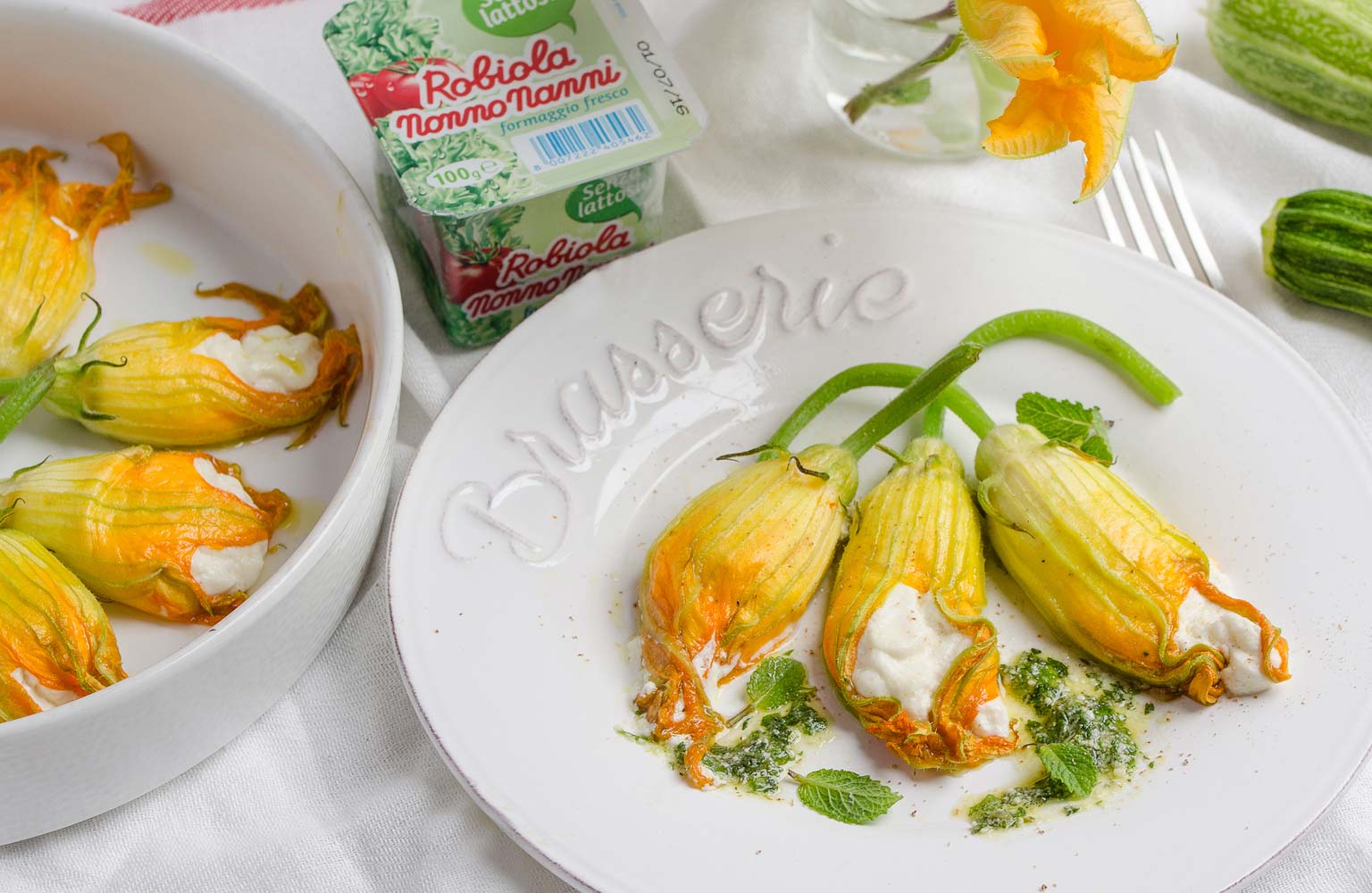
Stuffed pumpkin flowers (Cretan recipe).
Ingredients:
12 pumpkin flowers (washed and dried)
1/2 kg sour cottage cheese,
1 bunch of mint
olive oil
salt
flour.
Mix flour with olive oil and add a little water to make a thick batter.
Mix cottage cheese with mint and fill each flower with the mixture.
Dip the flowers in the batter and fry in plenty of hot olive oil.
Enjoy your meal!